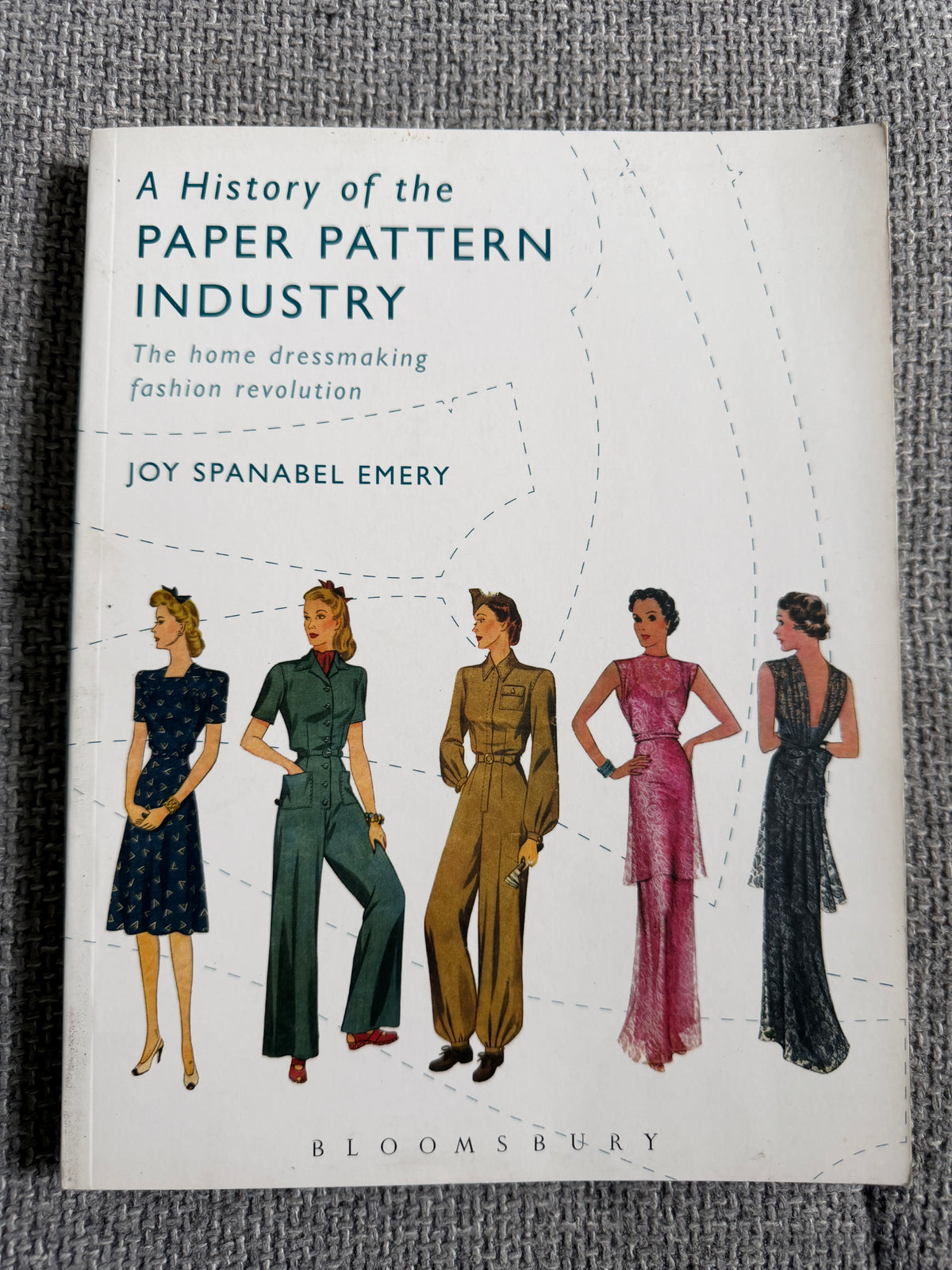
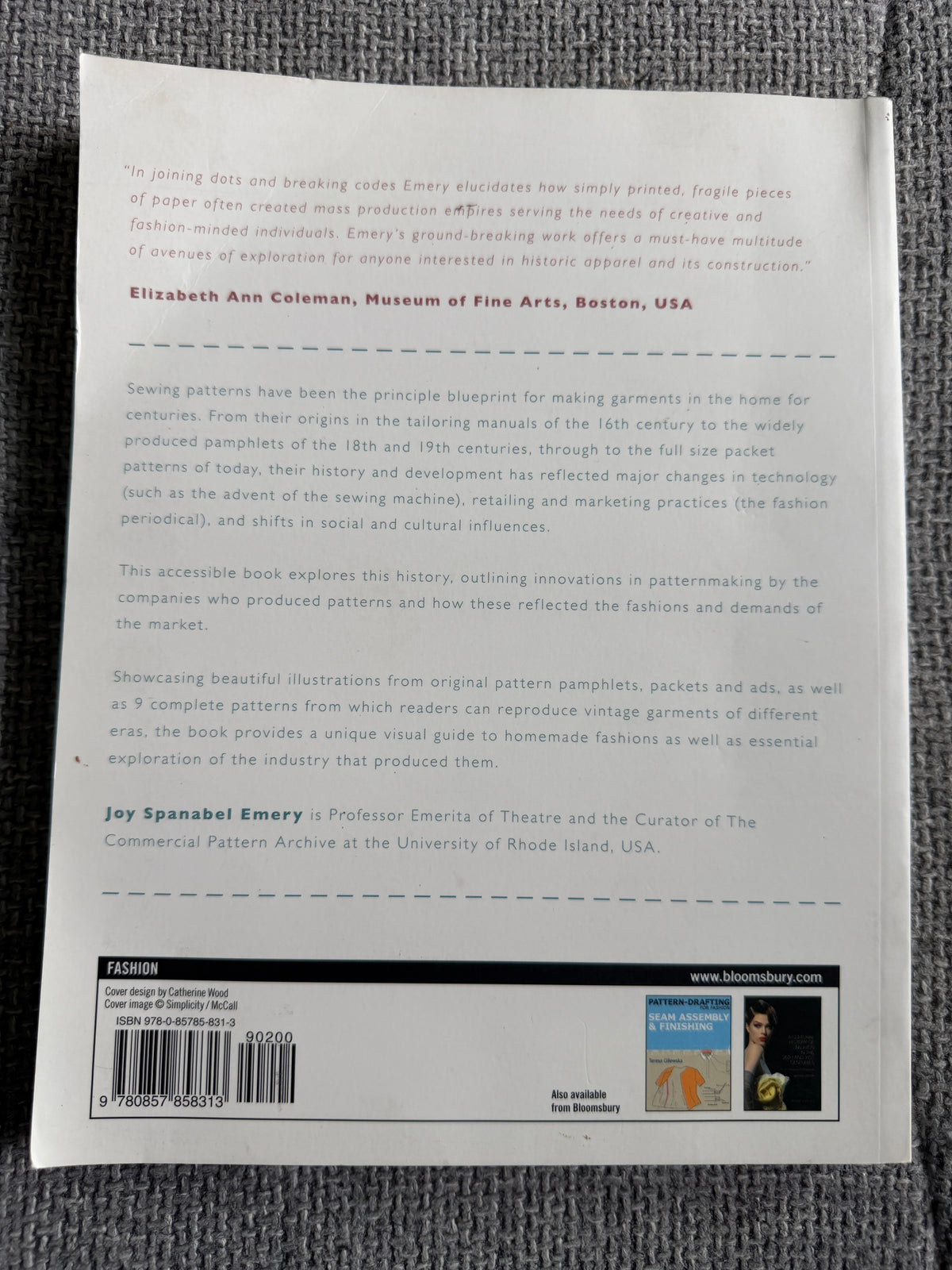
Honeyburn Books (UK)
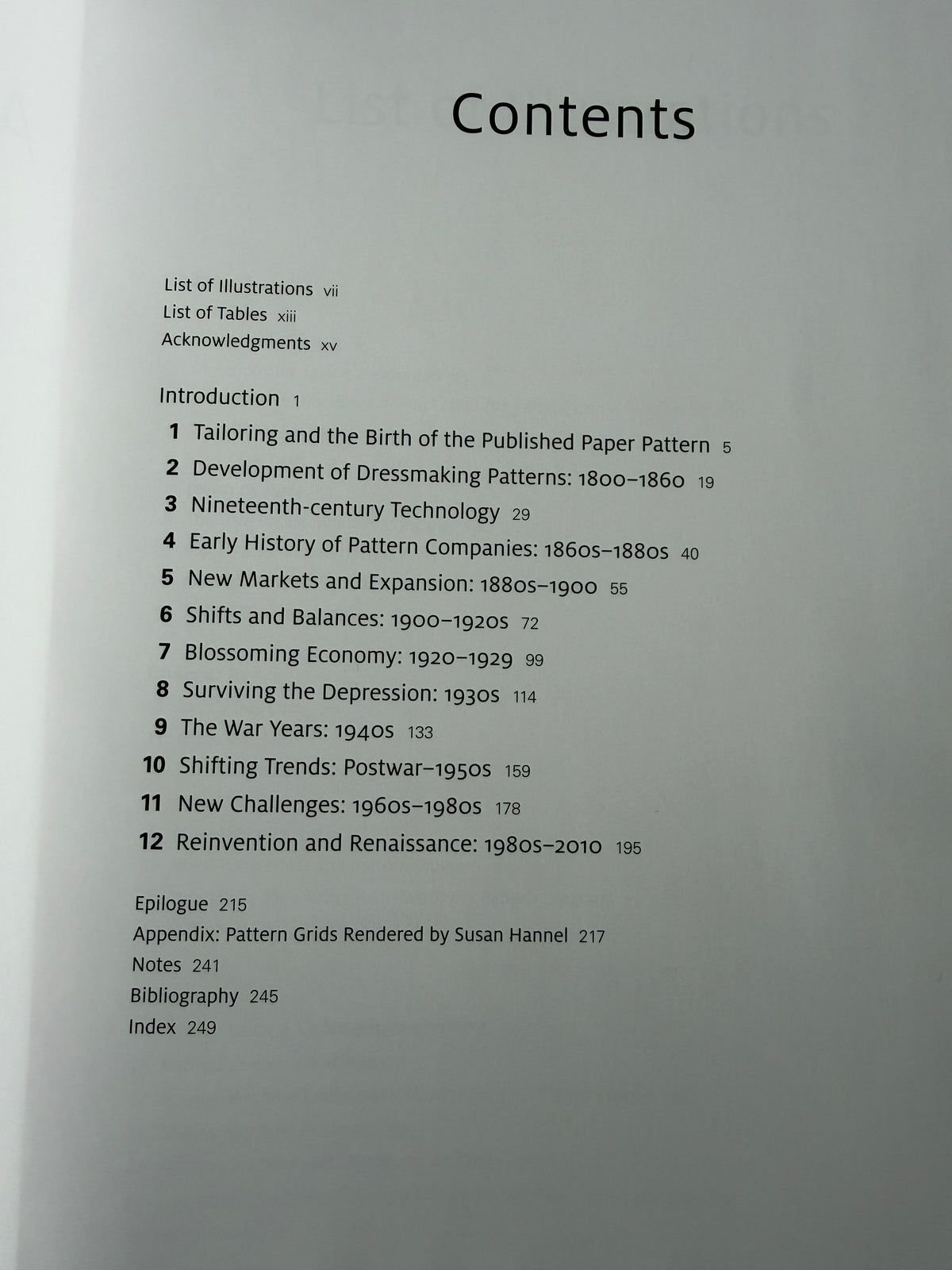
2016 History of Paper Pattern Industry Insights and Trends
2016 History of Paper Pattern Industry Insights and Trends
Verfügbarkeit für Abholungen konnte nicht geladen werden
Discover the 2016 History of Paper Pattern Industry Insights and Trends
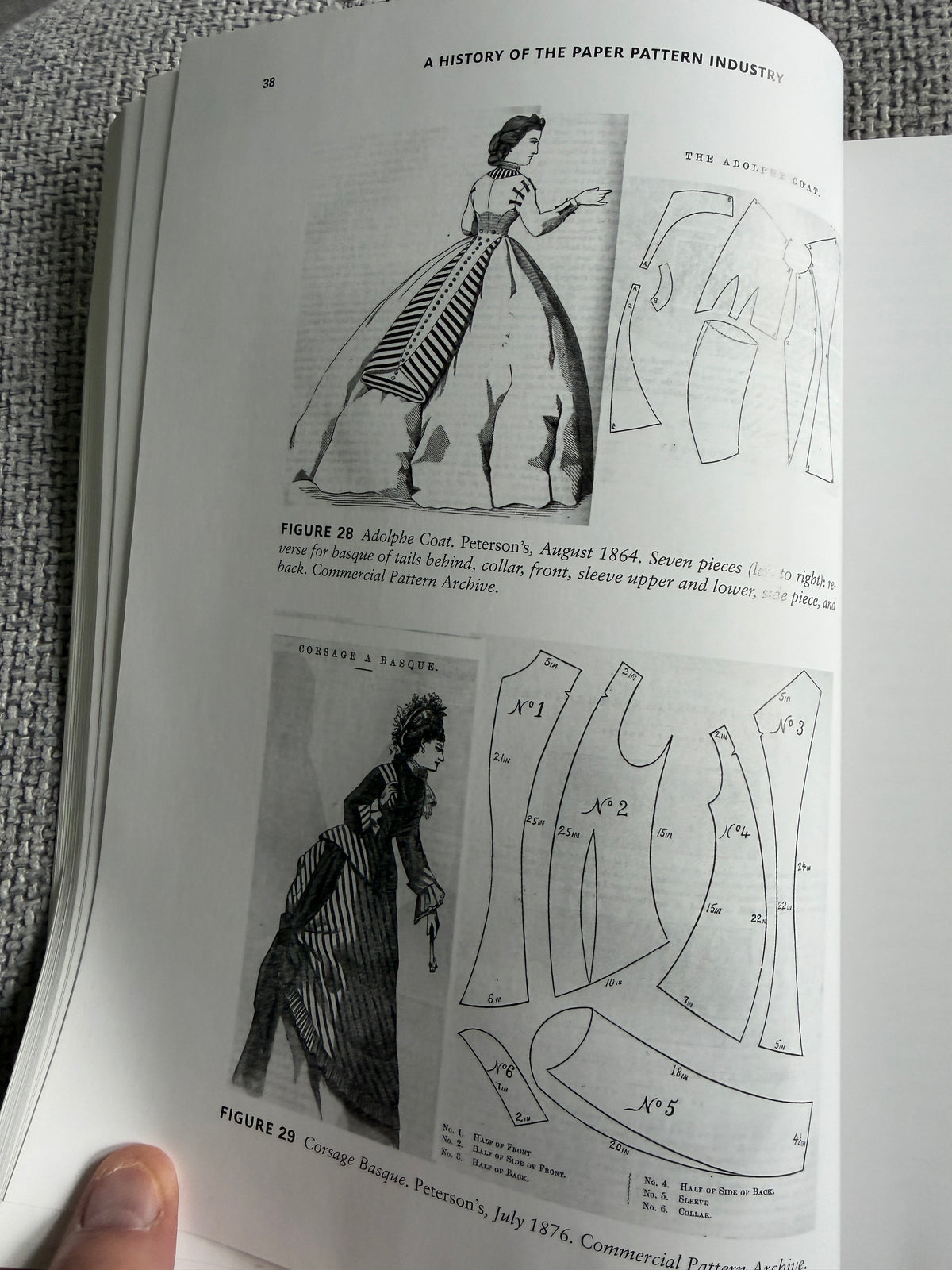
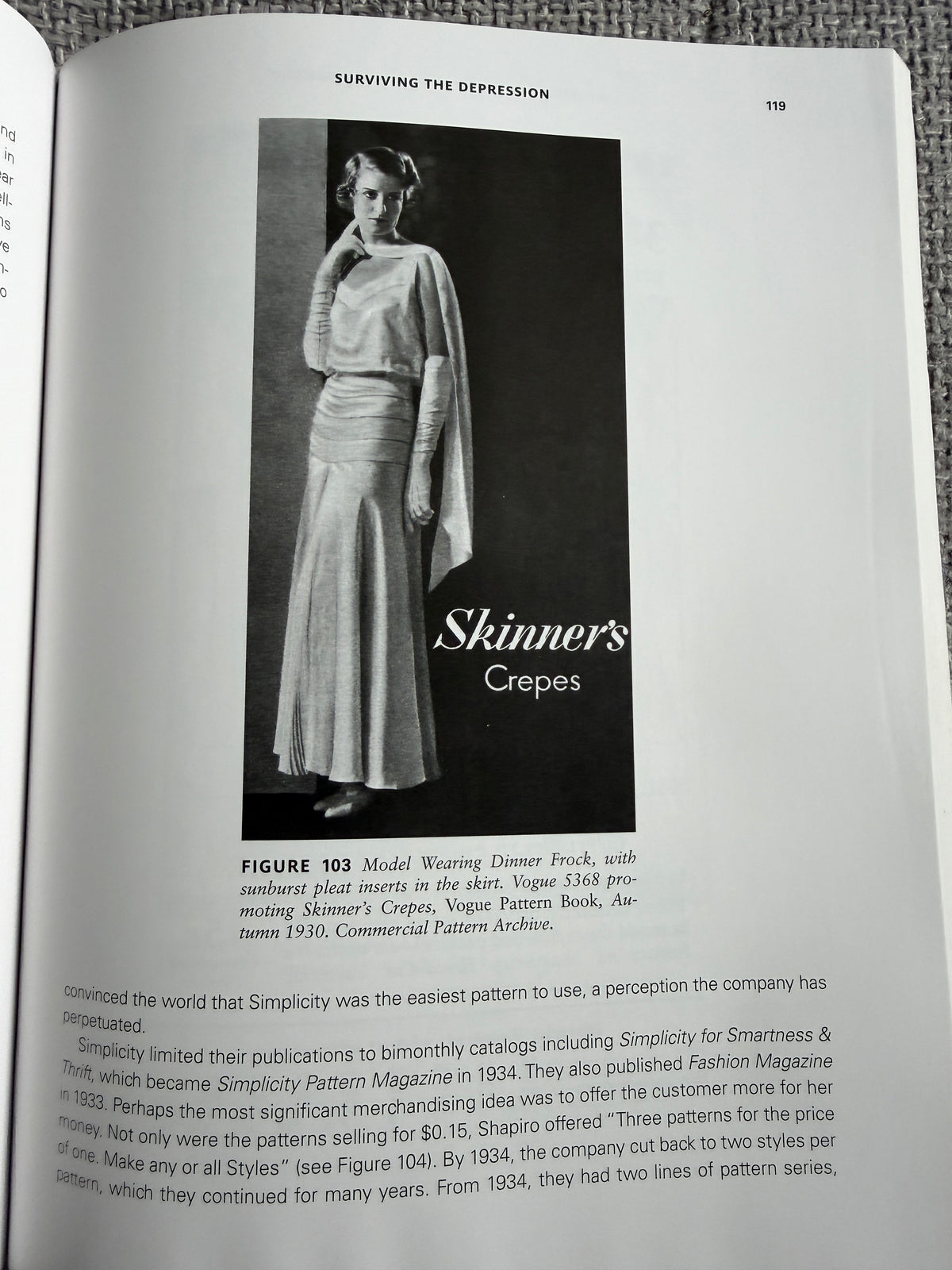
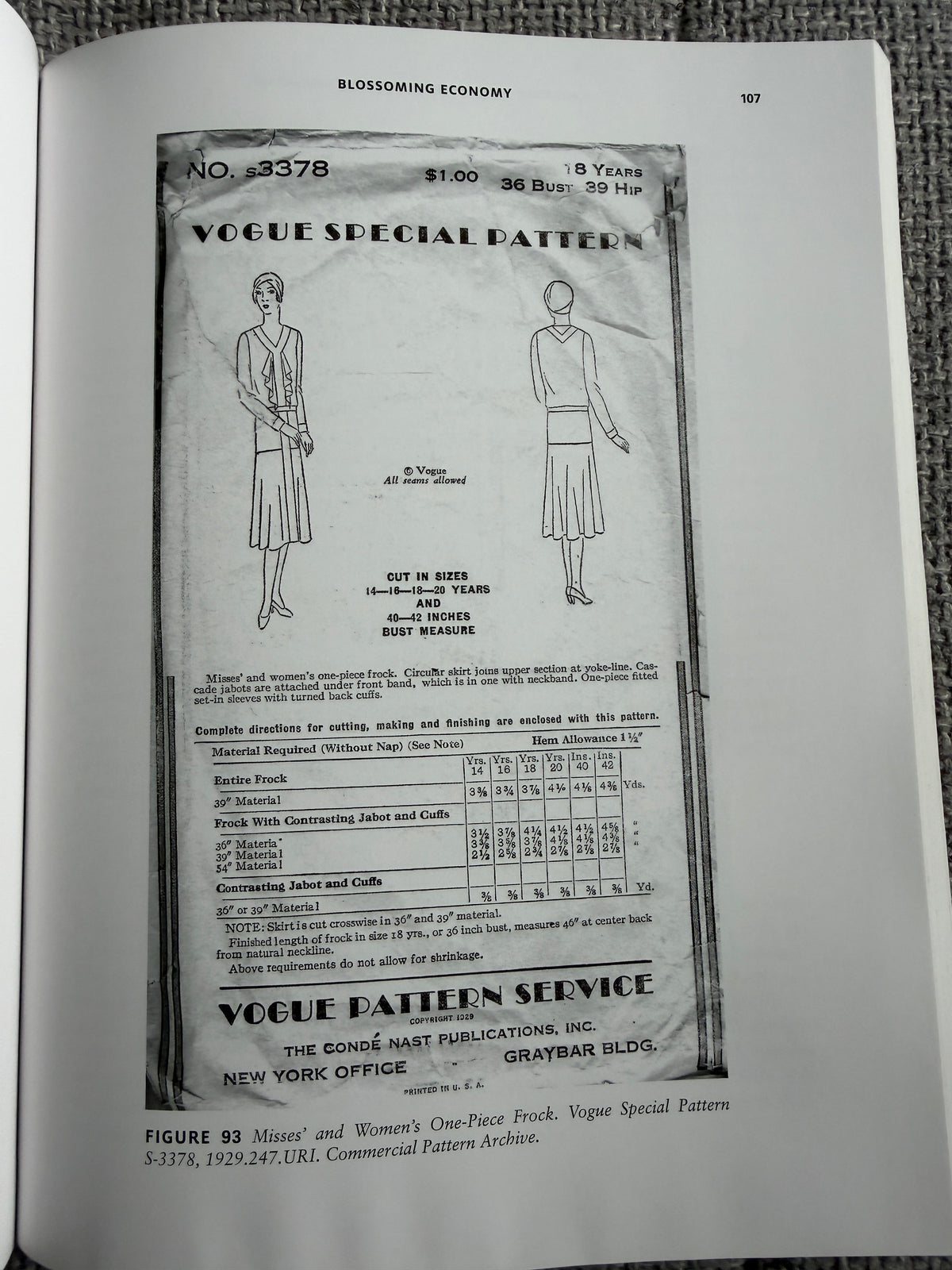
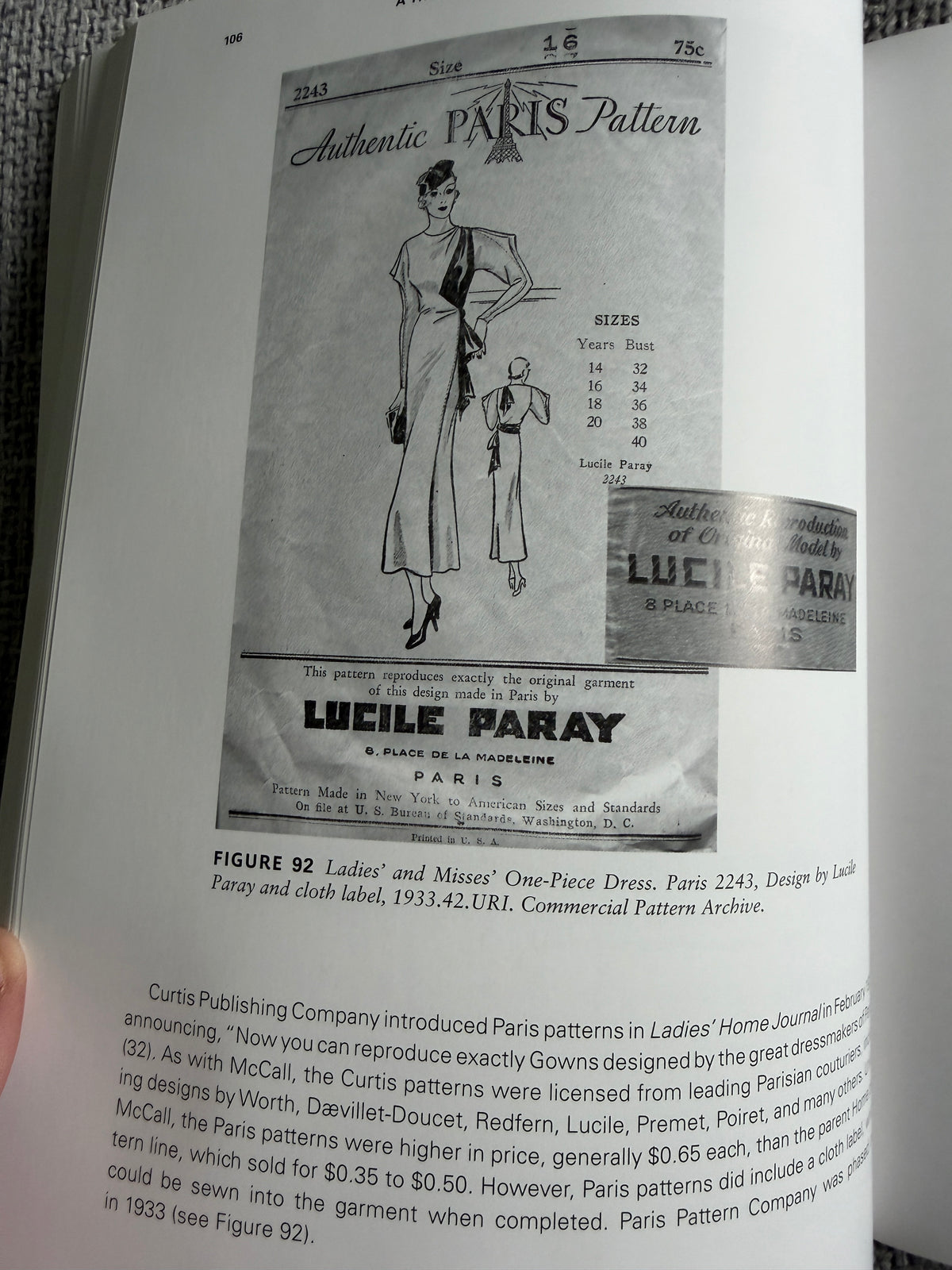
Delve into the 2016 history of paper pattern industry and uncover the trends that shaped a pivotal year for this innovative sector. The paper pattern industry has been an indispensable ally in various applications, from fashion design to home crafting. This detailed guide will provide you with insights and provide a comprehensive overview of the changes and advancements that occurred in 2016.
Understanding the Landscape
The evolution of the paper pattern industry reflects changing consumer preferences, technological advancements, and sustainability considerations. In 2016, this industry witnessed a notable transformation influenced by digital innovations and eco-friendly practices.
As sustainability became a priority for many businesses, manufacturers began to experiment with recyclable materials and sustainable practices. This shift not only resonated with environmentally conscious consumers but also opened up new markets internationally.
Key Trends That Shaped 2016
- Digitization and E-commerce: The rise of online shopping transformed how consumers accessed and purchased paper patterns, increasing convenience.
- Sustainability Focus: Companies adopted eco-friendly practices, creating patterns produced from recycled or sustainable materials.
- Diversity of Offerings: The demand for unique and niche designs skyrocketed as consumers sought to personalize their projects.
- Collaborations and Partnerships: Brands teamed up with designers and influencers, creating a culture of creativity and trend-setting in pattern designs.
In light of these trends, manufacturers and retailers needed to adapt their strategies to stay competitive in 2016.
Consumer Behavior in 2016
Understanding consumer behavior is crucial to examining the 2016 history of paper pattern industry. Shoppers increasingly gravitated towards unique, customizable products, which prompted businesses to diversify their offerings.
Online platforms provided new opportunities for outreach. Social media emerged as a tool for marketing and engagement, allowing companies to connect directly with their target audience and gather insights about their preferences.
In addition, the DIY (Do It Yourself) culture gained further traction, fostering an appetite for crafting and personalized projects. This consumer shift spurred growth in the paper pattern industry, leading to the design of patterns that catered specifically to DIY enthusiasts.
Technological Innovations
2016 marked a turning point as technology increasingly played a role in the paper pattern industry. Businesses started adopting software that enabled designers to create intricate and sophisticated patterns with ease.
3D printing technology began to influence the creation of paper patterns, allowing for innovative designs that were both functional and artistic. This not only enhanced creativity but also sped up production times, benefitting both designers and consumers alike.
The Role of Sustainability
One of the most significant shifts in 2016 was an increased focus on sustainability within the paper pattern industry. Consumers were beginning to demand more eco-friendly options, leading to a ripple effect across manufacturing processes.
Brands started sourcing sustainable materials and implementing environmentally responsible practices, such as reducing waste and utilizing less harmful chemicals in production. Consumers recognized the importance of supporting brands that align with their values, which influenced purchasing decisions significantly.
Challenges Faced
Despite the positive changes, the paper pattern industry faced several challenges in 2016. Competition intensified as more players entered the market, making it essential for existing companies to differentiate themselves.
Additionally, maintaining quality while exploring new materials and technologies proved complex. Businesses needed to balance innovation with consumer expectations, ensuring that the products met the high standards that customers had come to expect.
Looking Ahead: The Future of the Paper Pattern Industry
While the 2016 history of paper pattern industry offers a fascinating insight into the past, it also sets the stage for the future. The trends and innovations witnessed in this year laid the groundwork for ongoing developments.
As we move forward, expect to see a continued emphasis on technology and sustainability. Brands committed to innovation will likely thrive, while those slow to adapt may find themselves struggling in a world that constantly demands more.
Equally, the popularity of personalized products will continue to grow. Understanding consumer preferences and embracing diversity of designs will remain crucial for businesses aiming for long-term success.
Conclusion: Take Action Today
The 2016 history of paper pattern industry insights and trends reveals a landscape marked by rapid changes and promising advancements. Understanding these shifts will not only enhance your knowledge but may also inspire your crafting journey.
Don’t miss out on the opportunity to dive deeper into these insights! Whether you're a designer, a business owner, or a crafting enthusiast, exploring the developments of 2016 can offer valuable lessons for today's market. Click [here] to explore our collection of paper patterns and discover how you can apply these trends to your next project!
Share