Honeyburn Books (UK)
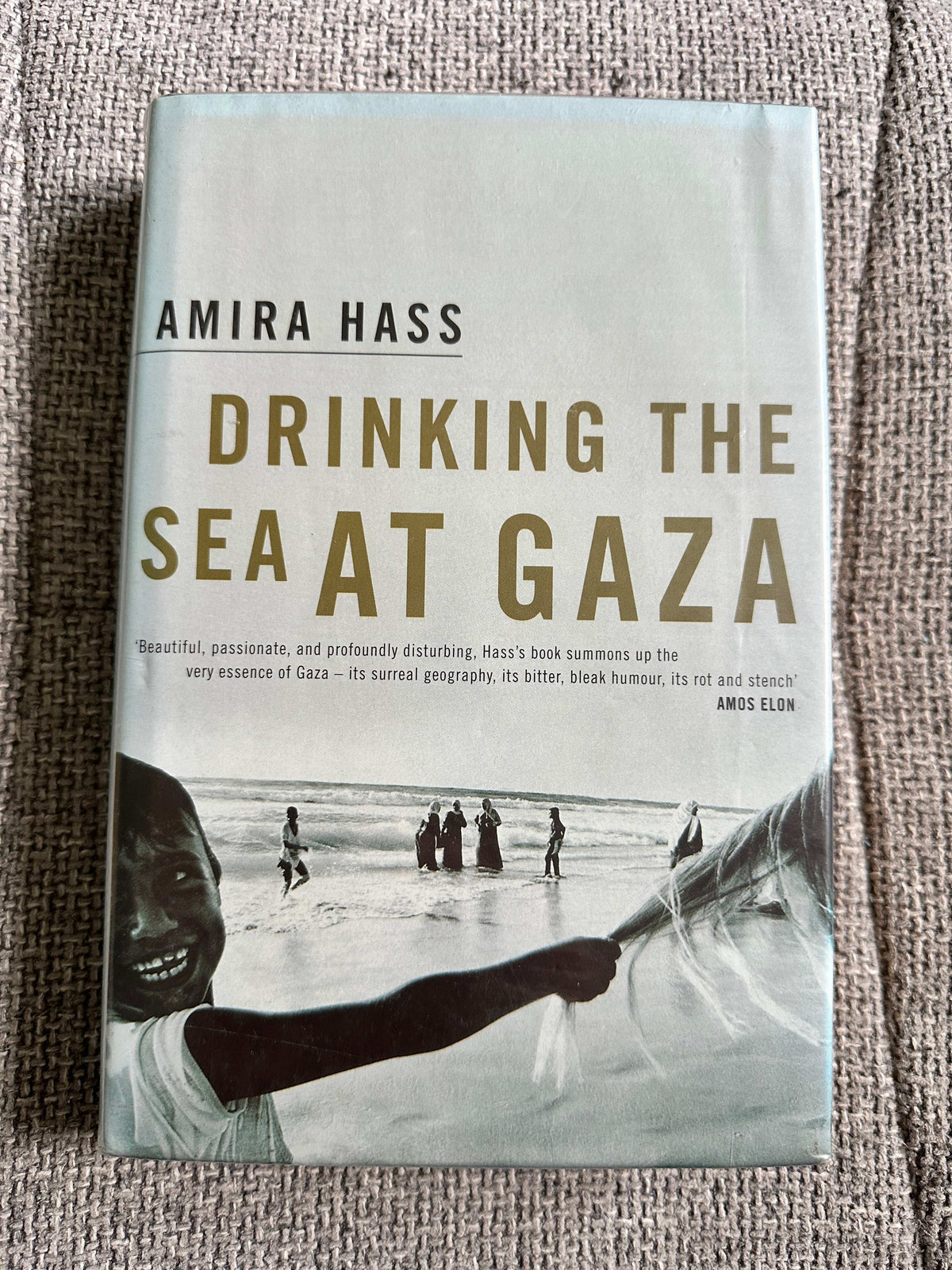
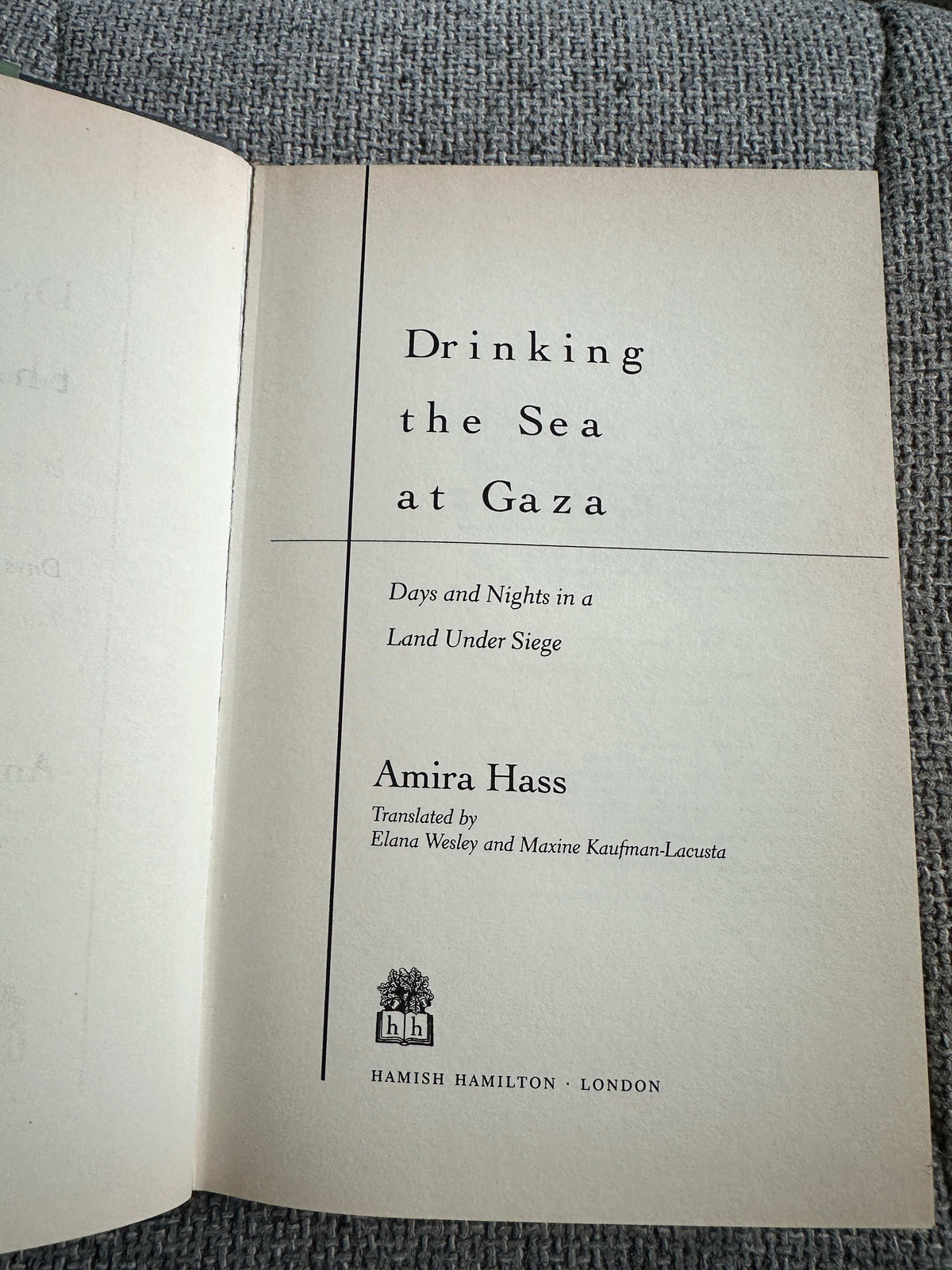
1999*1st* Drinking The Sea At Gaza: Days & Nights In A Land Under Seige - Amira Hass (Hamish Hamilton)
1999*1st* Drinking The Sea At Gaza: Days & Nights In A Land Under Seige - Amira Hass (Hamish Hamilton)
No se pudo cargar la disponibilidad de retiro
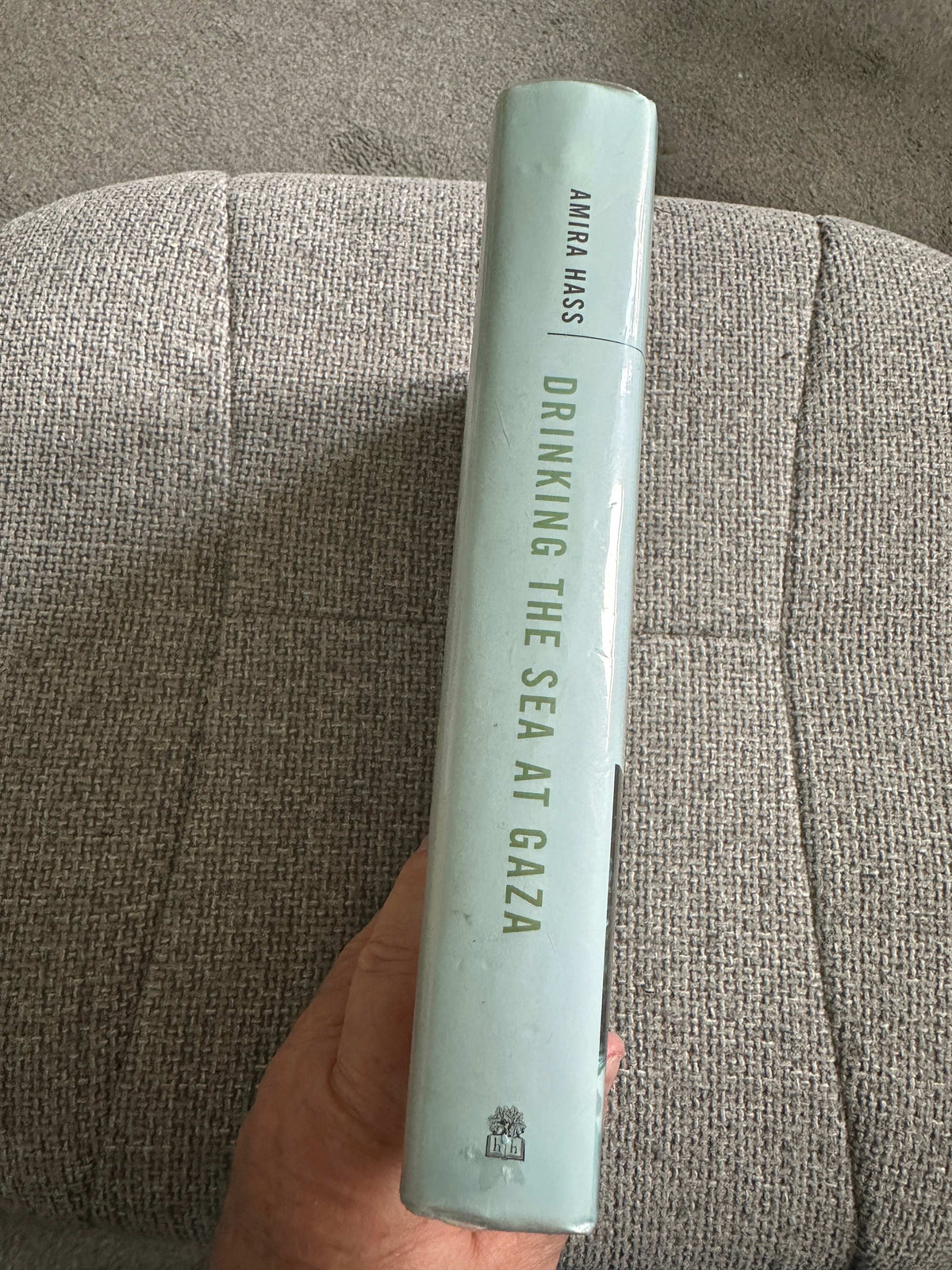
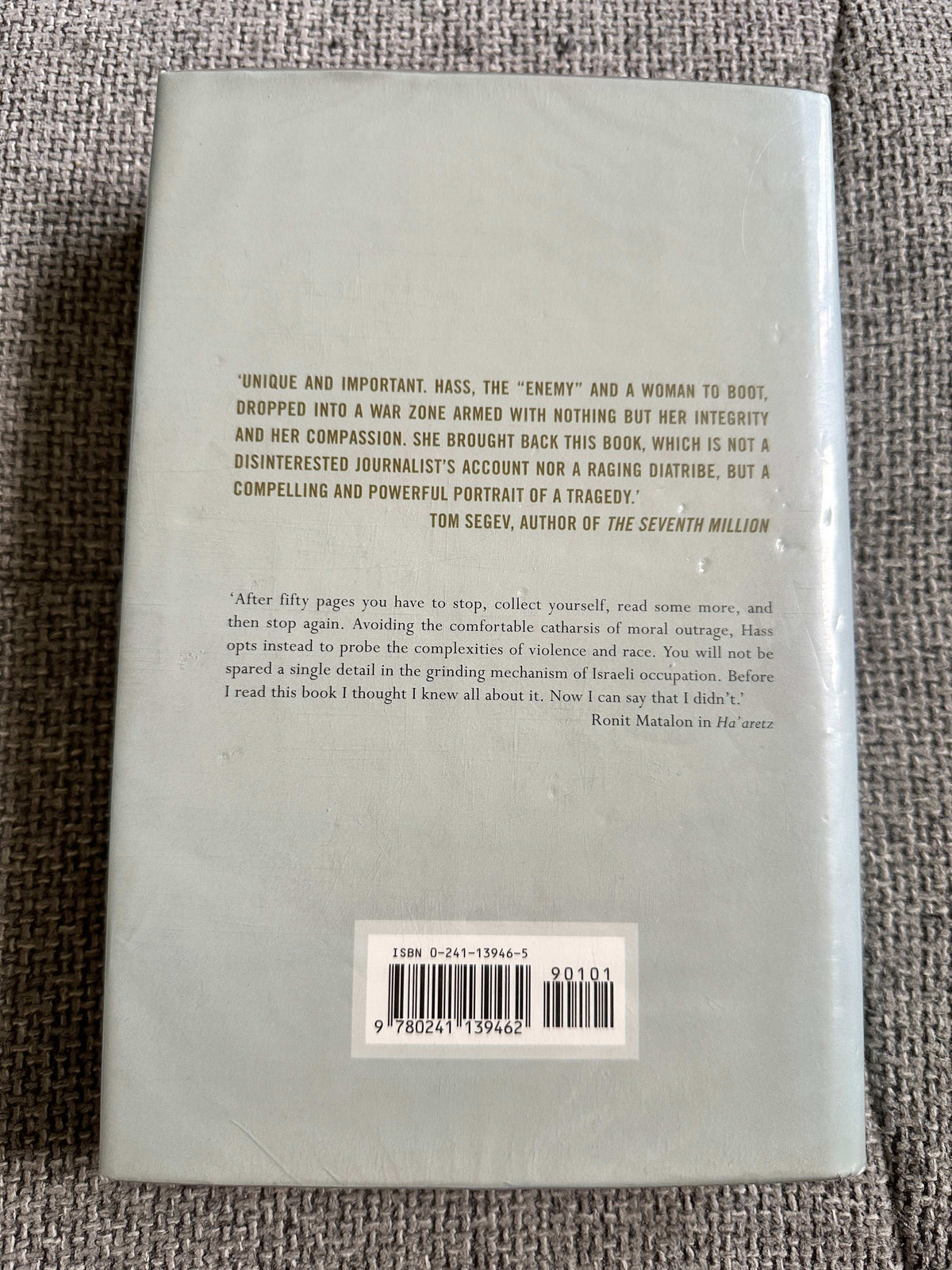
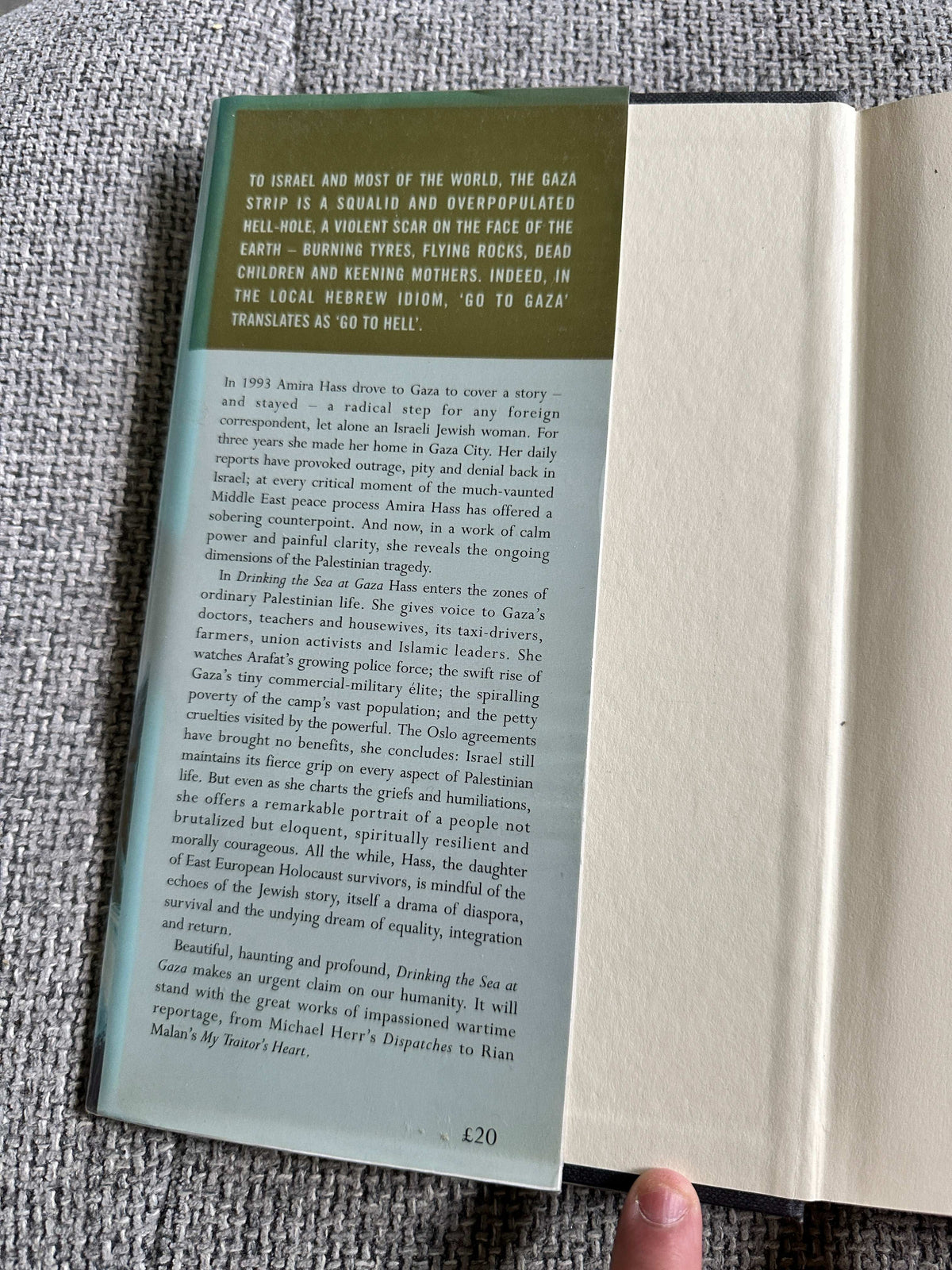
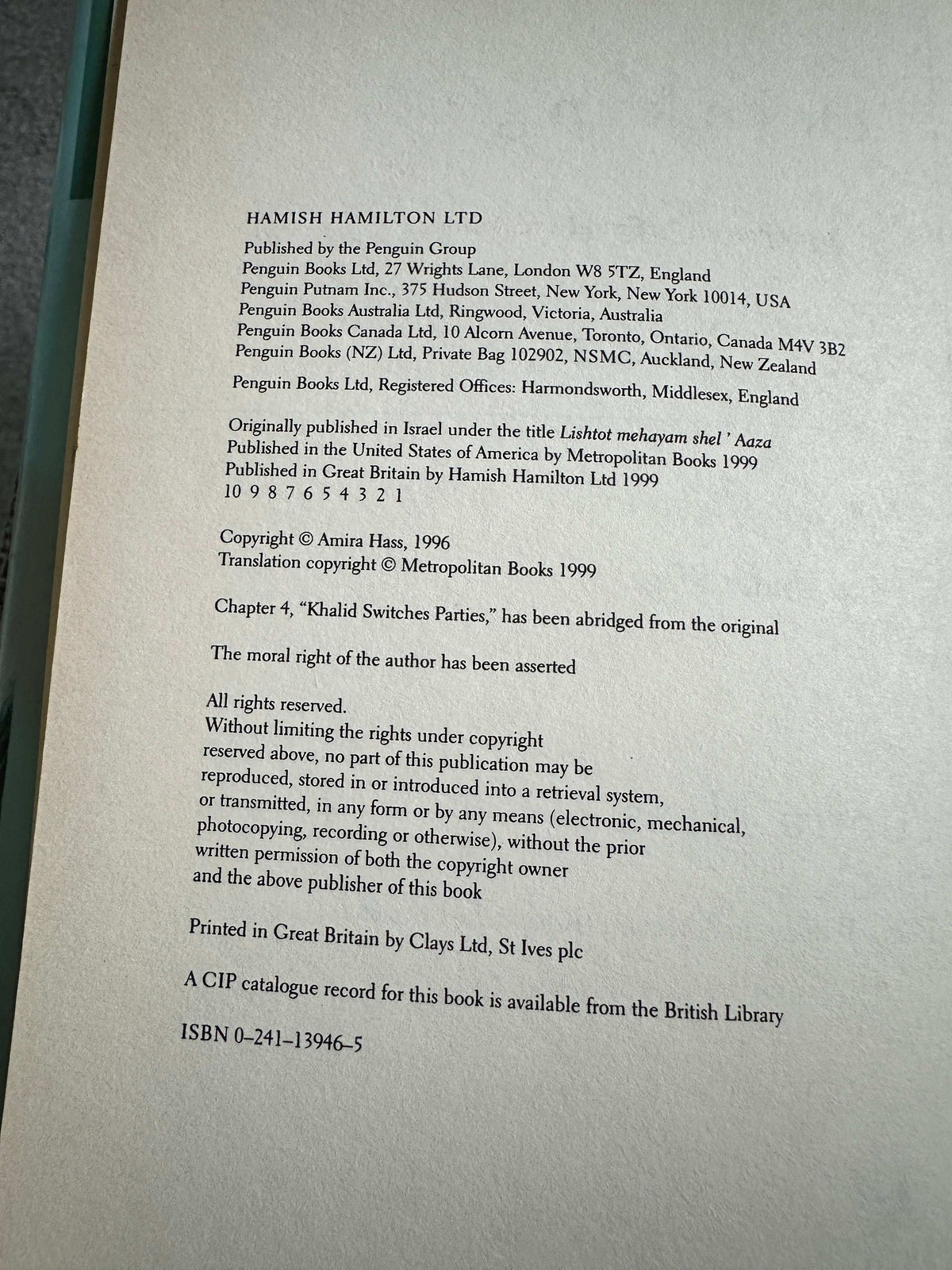
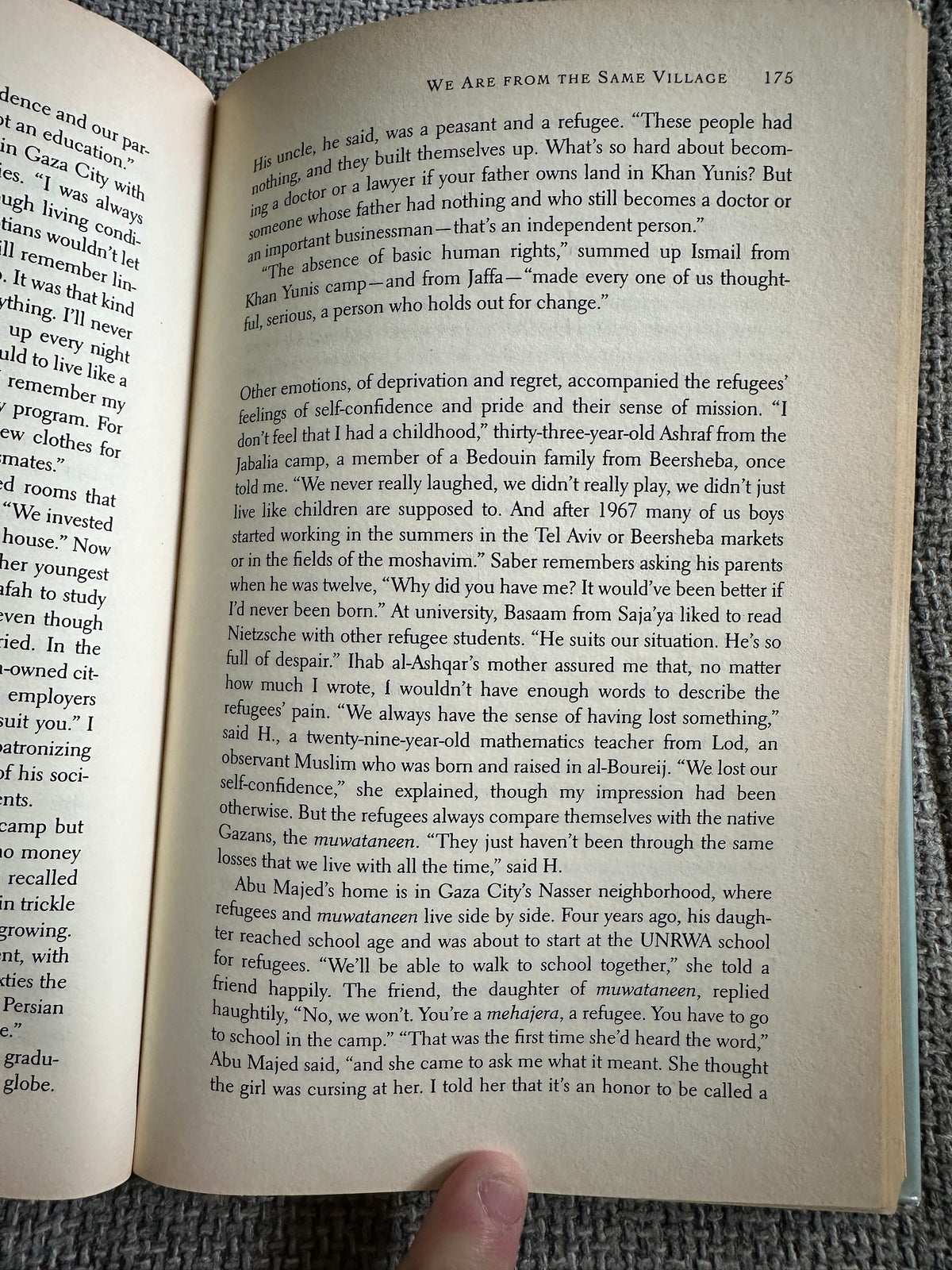
1999*1st* Drinking The Sea At Gaza: Days & Nights In A Land Under Seige - Amira Hass (Hamish Hamilton) Hardback first edition has a sticker inside see pic. In plastic protection jacket.
Here’s a succinct yet rich synopsis of Drinking the Sea at Gaza: Days and Nights in a Land Under Siege by Amira Hass:
Overview
-
Author & Context
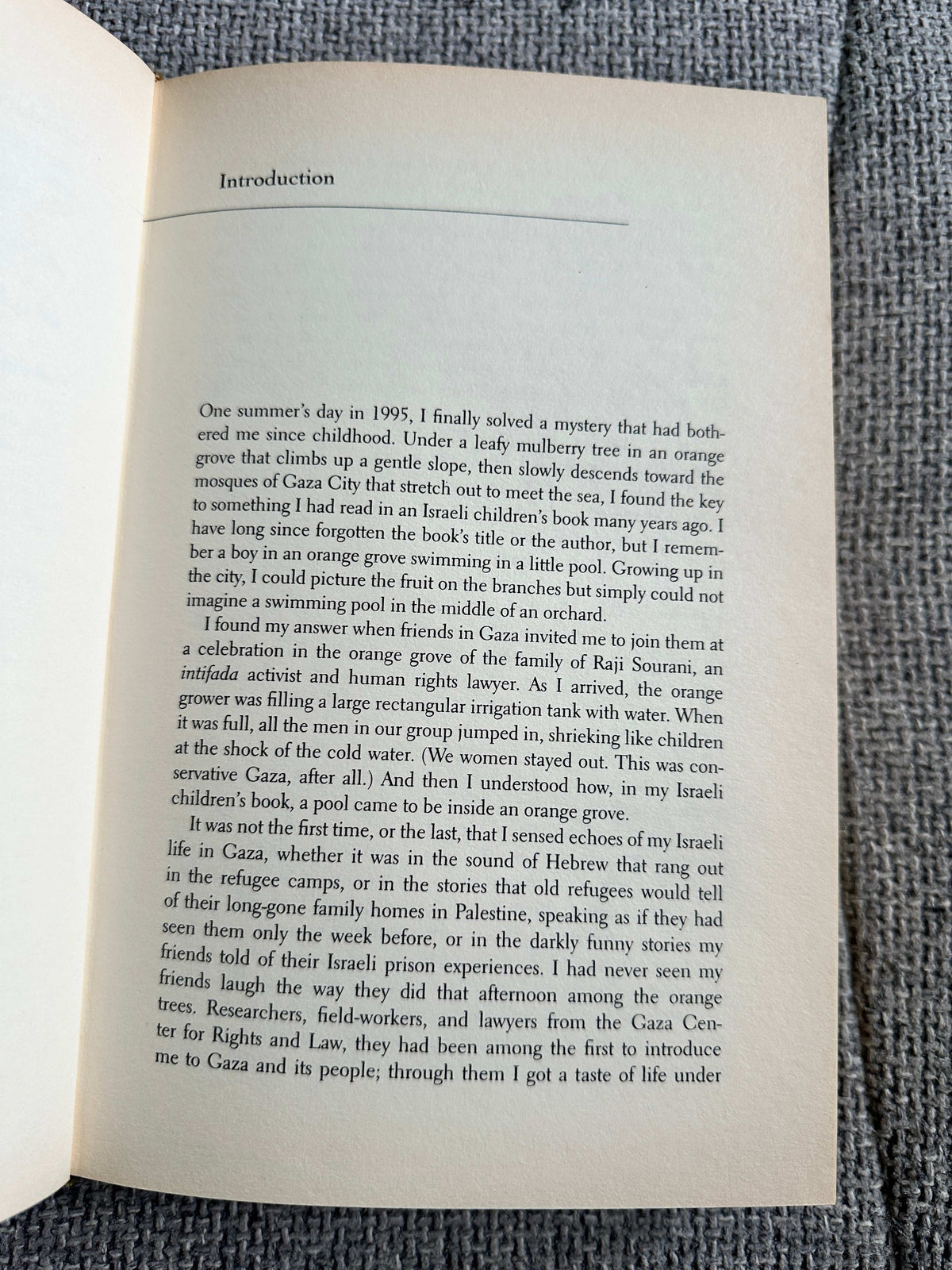
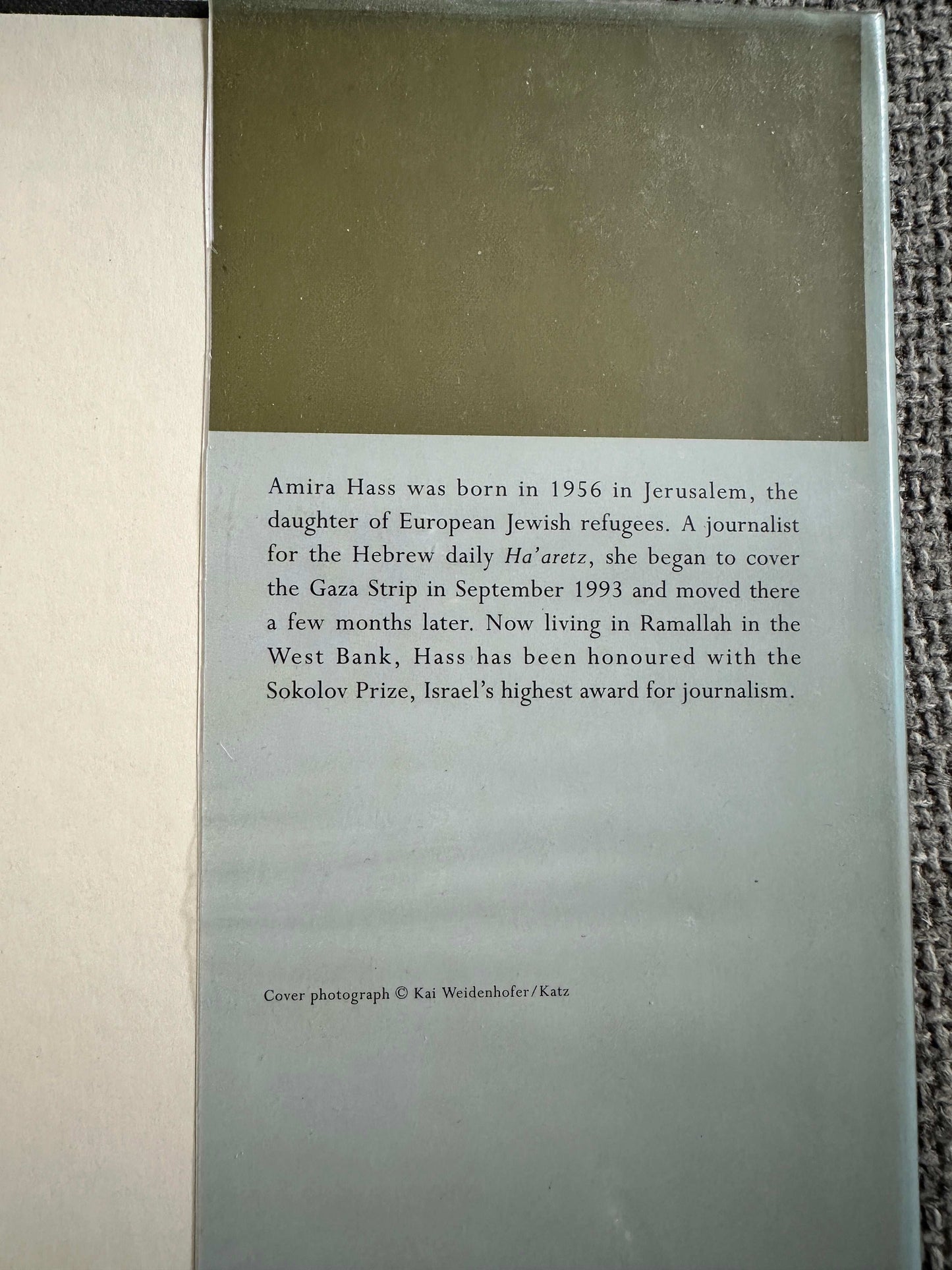
Amira Hass—a pioneering Israeli journalist for Ha’aretz—became the first Israeli reporter to live in the Gaza Strip, beginning in 1993, initially on assignment but ultimately staying. -
Book Style & Structure
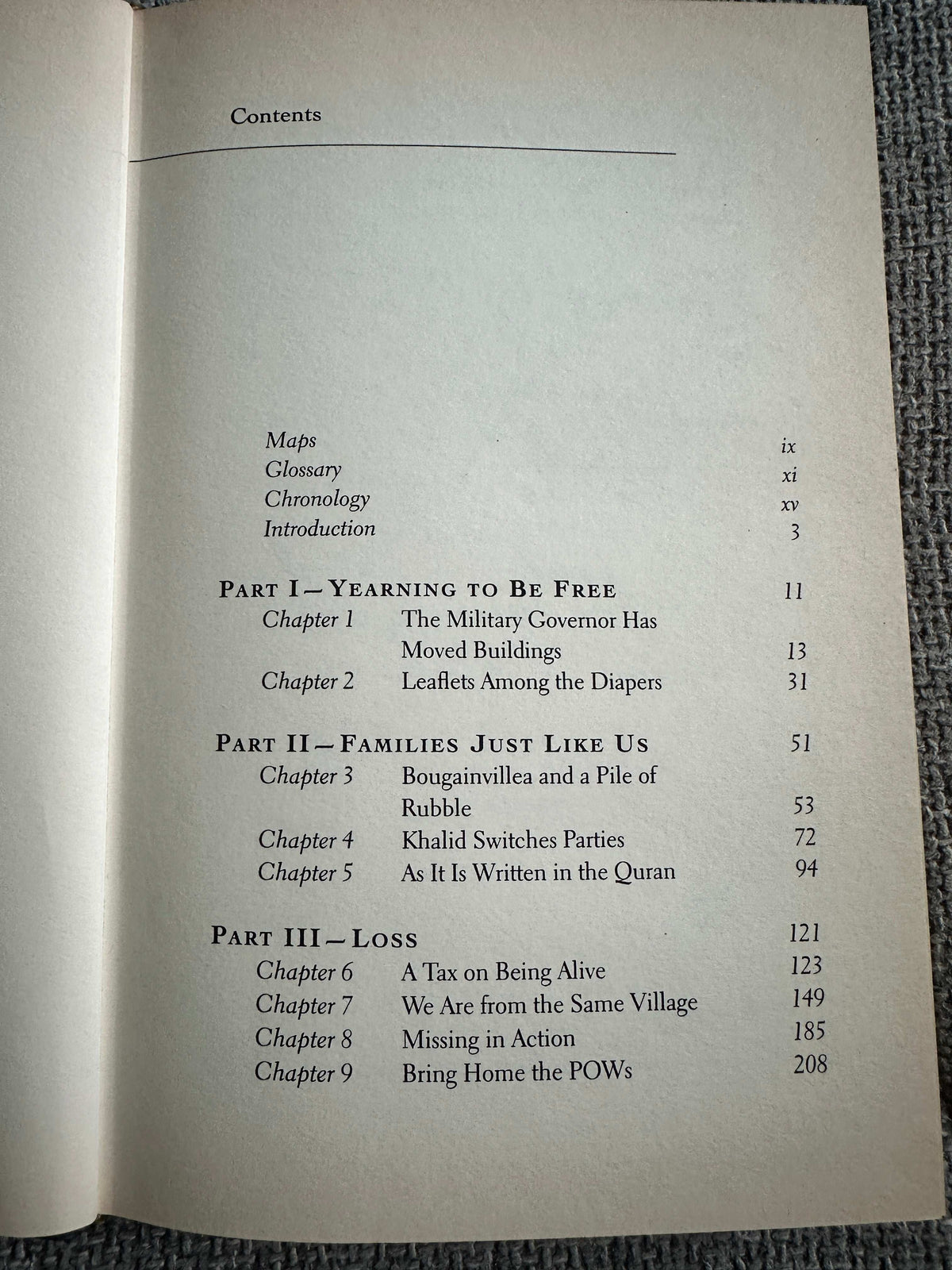
The book comprises 14 thematic chapters, not arranged chronologically, allowing Hass to delve deeply into social, political, and personal facets of Gazan life.
Key Themes & Insights
-
Ordinary Life Amid Extraordinary Hardship
Hass masterfully captures everyday life: the experience of curfews, tightly sealed borders, and the resilience of friends who teach her how to navigate night streets or slip across checkpoints. -
Hope and Disillusionment
She traces the arc of peace euphoria following the Oslo Accords, followed by crushing despair as ongoing restrictions, closures, and occupation persist. -
Human Portraits Against the Backdrop of Occupation
Through vivid testimony, Hass brings to life the voices of Gaza’s residents—doctors, housewives, taxi drivers, farmers, union activists, Islamic leaders. She portrays them as eloquent, spiritually resilient, bleakly funny, morally courageous, rather than victims stripped of dignity. -
Refugee Experiences & Memory
She documents how refugees carry enduring ties to lost villages and reconstruct community traditions in crowded camps. These stories reveal an “invisible map” of places that no longer exist, punctuated by moments of creativity and defiance amid hardship. -
Occupation as Prison: Closures and Control
Hass presents Israel’s closure policy, and the Israeli occupation’s control over movement, work, medical care, and everyday freedom as a form of collective punishment—often justified under “security” but beginning well before suicide bombings. -
Critical Lens Towards Palestinian Authority (PA)
Hass doesn’t spare the PA. She exposes repressive tactics, including interrogations, secret trials, and corruption—including collusive deals with Israeli firms—fueling public disillusionment with the possibility of democratic rule.
Critical Reception
-
Strengths
Reviewers have widely praised Hass’s compassionate, lucid, and deeply humane reporting. The book is seen as “beautiful, haunting, and profound”—a standout in wartime reportage. - For instance, Sara Roy underscores how Hass gives a powerful voice to Gazans—highlighting their dignity, emotional depth, and continued hope amid oppression.
- Jennifer Mitchell emphasizes that despite the time that’s passed since publication, the book remains timely in its vivid exploration of Gazan society and the enduring impact of Israeli control.
-
Criticism
Some critics challenge Hass’s perspective. A reviewer in Middle East Quarterly argues she neglects Israeli security concerns and relies on emotionally charged narrative, albeit acknowledging the book’s readability and insider perspective.
In Summary
Drinking the Sea at Gaza is a deeply affecting portrait of Gazan life under siege. Through a blend of firsthand stories, social analysis, and evocative reporting, Hass brings a complex, richly detailed understanding not only of Gaza’s political realities, but of its human heart. The work confronts readers with the emotional, psychological, and moral contours of life under occupation—making it a compelling must-read for those seeking to understand Gaza through the eyes of someone who truly lived it.
Share